Introduction
Stop me if you’ve heard this one before: A good idea doesn’t always make for a good game.
The video game industry is built on wild ideas, but an idea alone doesn’t make a playable product. The biggest challenge indie developers face isn’t a lack of creativity; it’s the sheer complexity of the logistics required to ship a game. Projects often stall because there is a fundamental disconnect between the idea and the execution. My name is Enrique Rivera Otheo and I want to help demystify this process. Whether you are an artist, an engineer, or a student just starting out, understanding the production pipeline is the difference between a project that lives forever in a folder and one that actually reaches the players’ hands.
The Context
I’ve spent the last six years navigating these waters as a Senior Producer. Having managed countless projects and worked with more than 100 professionals across PC, Console, and VR, I’ve learned that a producer must be a “jack of all trades”. My role is to coordinate the team, control the budget, and negotiate the contracts that keep the wheels turning. To understand how to solve the shipping problem, you have to see the pipeline as a living sequence.
Pre-production
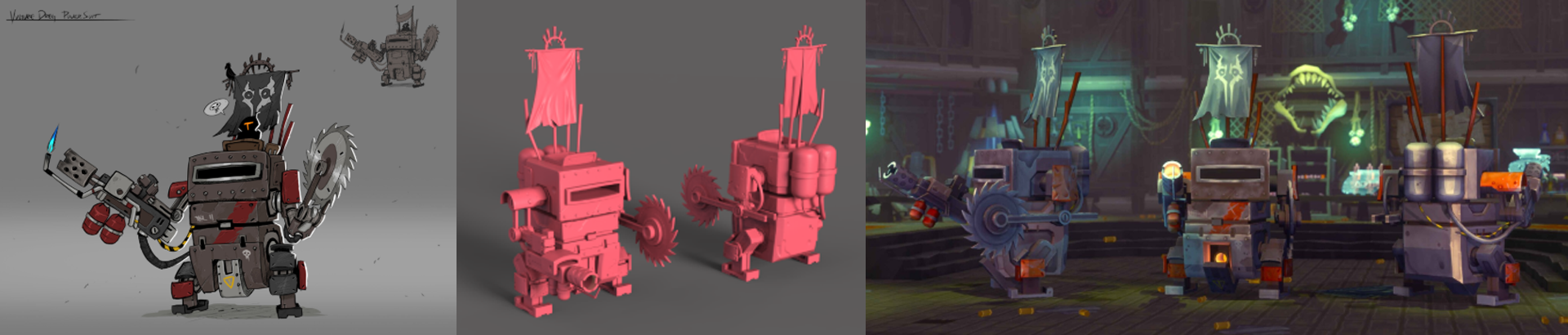
That sequence begins with pre-production, where we move from brainstorming to high-level overviews, including the Game Design Document (commonly known as GDD), the Technical Design Document (TDD), the Art Bible, the Production Plan or Schedule, and the Testing Plan. These are just a few of the deliverables, and please take those terms with a grain of salt; some teams might use different names. Some others might leave the completion of something like a Testing Plan until much later. But at their core, these are the pillars that will dictate the rest of your game production.
This doesn’t mean they are unmovable objects that cannot be modified; remember that, at its heart, game development draws on software development, so the goal is to constantly iterate and refine not only your project’s code but also your ideas and documentation. This stage is all about planning the core loop of your game and identifying as many risks as possible before they become expensive mistakes. You also want to finish this stage by creating a prototype (proof of concept) that showcases the game’s main goals. Pick a game and deconstruct it: What are the core goals of Vampire Survivors? Kill, collect, upgrade, survive.
DO NOT SKIP THIS STAGE. Many, many developers tend to skip pre-production, thinking they will figure things out as they go, but this is a recipe for disaster. You’ll be reacting to problems rather than trying to prevent them. Do plans change? Absolutely, but as Winston Churchill used to say: “Plans are of little importance, but planning is essential”. Another great quote: “By failing to prepare, you are preparing to fail” (Benjamin Franklin).
Marketing: The Parallel Track
Some teams miss this, but I believe marketing must run concurrently with production rather than being a final step once the code is locked. This parallel approach is vital because building an audience takes as much time as building a game. For developers opting for self-publishing, the producer essentially becomes the head of PR and community, managing everything from Discord servers to Steam wishlist data. Conversely, when working with a Publisher, the focus shifts to coordination. You ensure the publisher has access to your game so they can produce high-quality assets, trailers, and materials they need to leverage the marketing muscle. In either scenario, starting this process early is the only way to ensure you aren’t shipping into the void– and many development teams will be resistant to show the game at this stage. It’s not ready. It doesn’t look right. We’re going to change so many things. Marketing is a process that should begin early. I have seen so many teams release a game without building an audience or having any wishlist data, which ultimately leads to poor sales. We are living in a world that is extremely competitive; remember that more than 20 games launch every day!
Launch and Release
Let’s say you work through all of the above and have a beautiful, engaging release candidate in your hands. You thought producing that was the end? No! The final steps of shipping a game require navigating a maze of logistics that often happen behind the scenes, such as submitting the game to storefronts like Steam or console platforms. This phase is critical for aligning our internal reality with the expectations of external stakeholders and the community. Remember: Just because you have a release candidate doesn’t mean that players and partners understand your game inherently. Handling the coordination of marketing assets to ensure the game is represented accurately or managing the submission of ratings are just a few examples of this stage. Is my game trailer properly presented on my Steam page? Do I have to submit a long rating form for my upcoming retail launch? Is my game ready for console compliance? This stage is all about removing the final obstacles so the game can finally reach as many players as possible.
Maintenance and Live Ops
The reality of modern game development is that no game is ever truly finished at launch; games have become extremely complex software projects that might require extra polish, only revealed after they reach their audiences. Complex and realistic systems may require updates. This stage is a core part of the lifecycle in which you manage the game’s long-term health. This involves the immediate rollout of bug-fixing patches and the continuous upkeep of servers for multiplayer titles.
But beyond just fixing problems, this stage is about growth. Managing roadmaps for DLC, expansions, and balance updates based on direct community feedback becomes paramount. By treating the game as a living product, we can iterate on the design and maintain a dedicated player base for years after the initial release (Hello, Rain World!). Of course, it is also necessary to keep in mind that most games eventually face a point of diminishing returns, so as developers, you’ll need to judge when it’s time to move on to the next project. This applies to all types of games!
The Solution
Solving the production puzzle requires moving beyond just making things and into managing the build. I prefer to view the producer as the person who pulls together every disparate part- localization, vendors, platform submissions- to drive the project forward.
The most effective solution to production chaos is disciplined backlog ownership. Focus on removing obstacles that prevent the team from hitting its goals. This means reporting to stakeholders and owning the schedule, but it also means being a realist. I’ve seen many projects fail because they followed the Agile methodology as rigid rules rather than as flexible tools. Remember: treat your production plan or schedule as a living document that accounts for the endless list of struggles that occur in development.
The impact of a well-run pipeline is immediate. It replaces crunch and panic with predictable cycles. Remember: prevent, don’t react. When you have a clear Risk Management plan (another from the long list of documents you can create during pre-production), a bump in the road (a critical bug or a delayed asset) doesn’t crash the project; it just triggers a pre-planned pivot. By managing vendors and partners early and submitting for things like ratings and platform certifications, the transition to launch becomes a more controlled release rather than a frantic scramble. The goal is to create an environment where artists, designers, engineers, testers, and others can focus on their craft without having to deal with production shenanigans.
Conclusion
At the end of the day, game production is about aligning expectations with reality. Having a structured pipeline isn’t about stifling creativity; it’s about providing the scaffolding that allows creativity to reach its full potential.
The transition to a full-time game developer often comes down to realizing that the road is full of bumps, and having a map (even if it changes!) makes all the difference. When you begin mastering the pipeline’s logistics, you stop the “working on a game” mentality and start actually shipping them. We make games so people can enjoy them, not so they sit on a computer’s hard drive forever.